AI Attention Prediction, Explained
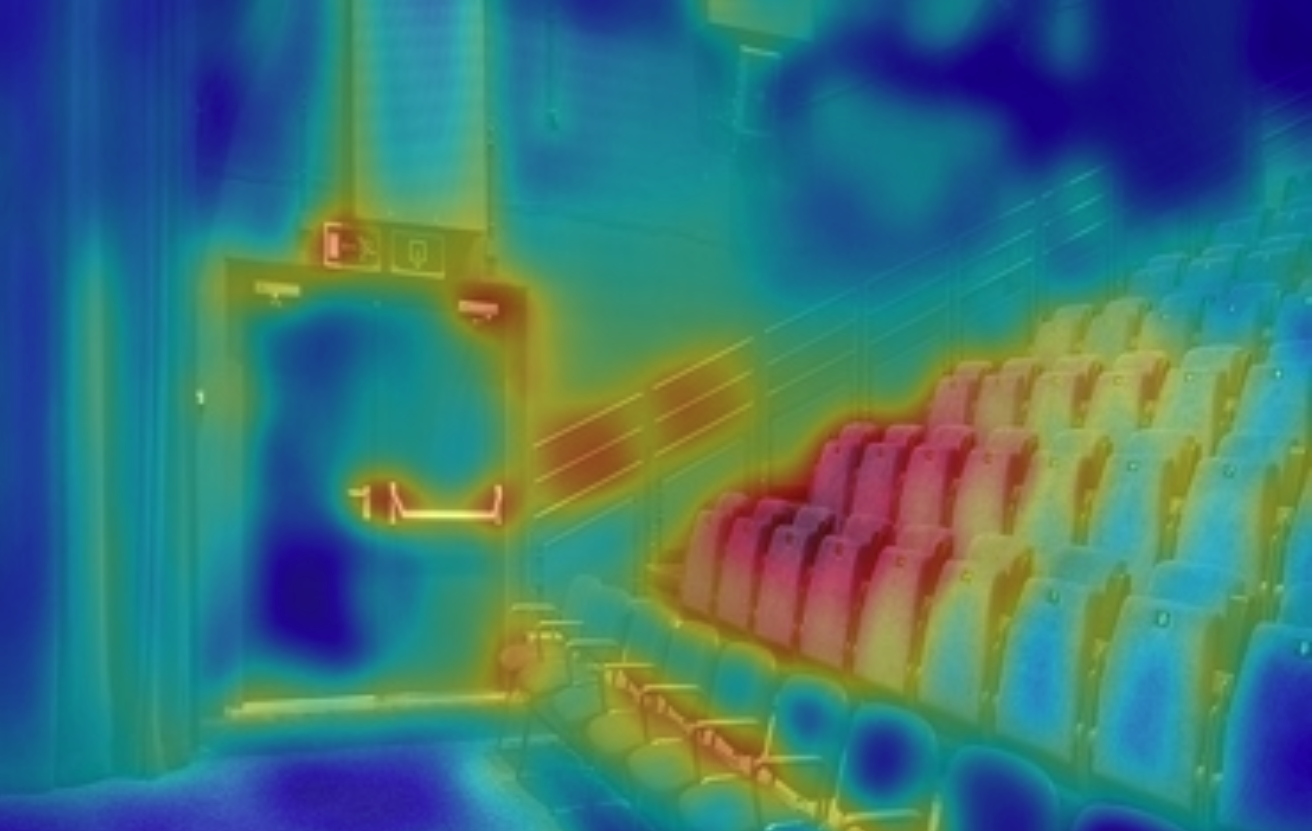
Attention prediction uses AI to forecast where human eyes are drawn on a visual — a heatmap of the first glance — without tracking a single real eye. It's the engine underneath Glimpze.
How it works
The models are trained on large sets of human eye-tracking data. From that, they learn the visual features that reliably attract attention — contrast, faces, text, edges, colour, and motion — and can predict the attention map for a brand-new image instantly. The result is the same kind of heatmap a lab study would produce, in seconds instead of weeks. For the fundamentals, see what visual saliency is.
How accurate is it?
Predictive saliency correlates closely with aggregate human eye-tracking for first-view attention. It is built for fast, pre-launch decisions — which version wins the first glance, whether the CTA gets seen — rather than replacing every downstream measurement. You can confirm live behaviour later with click data; the two are complementary, as we cover in saliency vs. click heatmaps.
What you can predict
- The first-glance path across an ad, page, or pack
- Which regions win the most attention share
- How quickly creative is noticed in fast contexts like OOH and social
- An estimate of how memorable a visual is likely to be
Why it beats guessing
Because it's instant and cheap, you can test every version instead of betting on one. Because it works on any asset, you can test before anything ships. And because it produces numbers, the decision stops being a matter of taste. See it end to end in how Glimpze works.
See it on your own creative
Share a work email and we'll set you up with a short demo, resources, and free tokens to get started.